The Thai lottery is more than just a game of chance for millions of players across Thailand. It is a cultural institution, drawing on decades of tradition, superstition, and a fascinating history of number patterns. Every draw on the 1st and 16th of the month sparks conversations at markets, temples, and family gatherings about which numbers might come up next. For those who study the game carefully, the data from past draws reveals interesting trends that many players find useful when picking their tickets.
This detailed guide examines the most frequent numbers in Thai lottery history, breaks down the statistics by draw category, and helps you understand how frequency analysis works in practice. Whether you are a longtime player or someone new to the Government Lottery of Thailand, understanding these patterns can add a new layer of insight to your approach.
Understanding How the Thai Lottery Works
Before we dive into number frequencies, it helps to have a clear picture of the draw structure. The Government Lottery Office holds two official draws each month. Each draw includes several prize categories, and each category features different number combinations that players can match.
The main prize categories include the first prize, which is a six-digit number, as well as the three-digit front, three-digit last, and two-digit last categories. Players select numbers based on which category they want to enter, and prize amounts vary significantly across these tiers.
Because there are multiple categories with different digit structures, analyzing frequency trends means looking at each category separately. A number that appears often in the two-digit last position may not appear frequently as part of a first prize six-digit combination.
Why Number Frequency Analysis Matters
Some skeptics argue that lottery draws are purely random and past results have no predictive value. While the mathematics of probability does support this view for truly random systems, players in Thailand have long tracked frequency data for personal reasons. Some believe certain numbers carry lucky energy, while others simply enjoy the pattern-hunting aspect of the game.
Frequency analysis serves several practical purposes. It gives players a way to make informed choices rather than picking blindly. It reveals interesting cultural patterns, such as numbers tied to religious dates or historical events that appear more often in player selections. And it provides an entertaining way to engage with a game that has deep roots in Thai society.
Most Frequent Two-Digit Numbers in Recent Years
The two-digit last category is one of the most popular betting categories because the odds are more favorable than higher-tier prizes. Looking at data collected over multiple years, certain two-digit combinations have surfaced more often than others.
| Two-Digit Number | Approximate Appearances | Notes |
|---|---|---|
| 45 | 14 | Frequently linked to auspicious meanings |
| 27 | 13 | Popular in Buddhist number interpretations |
| 89 | 12 | Often chosen for its cultural resonance |
| 61 | 12 | Appears steadily across multiple years |
| 34 | 11 | A common favorite among long-term players |
| 78 | 11 | Consistent presence in draws |
| 52 | 10 | Balanced appearance rate |
| 16 | 10 | Symbolic date connections drive interest |
| 93 | 10 | A regular in frequency reports |
| 08 | 9 | Rounds out the top ten list |
These figures reflect general trend observations rather than guaranteed future outcomes. Every draw is independent, but players find comfort in seeing which numbers have historically shown up more often.
Most Frequent Three-Digit Combinations
Three-digit categories offer more variety and complexity. The front three and last three digits are drawn separately, and each generates its own set of frequency patterns over time.
| Three-Digit Number | Category | Appearances | Trend Note |
|---|---|---|---|
| 123 | Front Three | 6 | Rising trend in the last few years |
| 456 | Last Three | 5 | Consistent monthly showing |
| 789 | Front Three | 5 | Cultural favorite due to sequence |
| 234 | Last Three | 4 | Regular appearances |
| 567 | Front Three | 4 | Steady frequency |
| 891 | Last Three | 4 | Interesting recurring combination |
| 345 | Front Three | 3 | Moderate presence |
| 678 | Last Three | 3 | Recurs in cycles |
Players who like sequential numbers often gravitate toward these combinations because they are easier to remember and feel intuitively balanced. Whether that intuition holds any real predictive value is up for debate, but the popularity of these numbers is undeniable.
First Prize Digit Patterns
The first prize draw features a six-digit number, and its full combinations are almost never repeated. However, digit-level analysis of the first prize numbers reveals interesting patterns. Certain digits appear more frequently within the six-digit strings across many draws.
| Digit | Appearance Rate in First Prize Numbers | Ranking |
|---|---|---|
| 3 | 11.4 percent | Highest |
| 7 | 10.9 percent | Second |
| 5 | 10.6 percent | Third |
| 9 | 10.3 percent | Fourth |
| 1 | 10.0 percent | Fifth |
| 8 | 9.8 percent | Sixth |
| 4 | 9.6 percent | Seventh |
| 2 | 9.4 percent | Eighth |
| 6 | 9.3 percent | Ninth |
| 0 | 8.7 percent | Lowest |
The differences between digits are small, but they are large enough that many players notice and factor them into their selections. Digits three and seven, in particular, have a reputation among Thai players for showing up often in winning combinations.
Cold Numbers That Rarely Appear
Just as some numbers show up frequently, others tend to lag behind. These are often called cold numbers, and tracking them is another common strategy. Some players believe cold numbers are due for a comeback, while others avoid them entirely.
| Number | Category | Last Notable Appearance | Cold Status |
|---|---|---|---|
| 00 | Two-Digit Last | Several draws ago | Extremely cold |
| 99 | Two-Digit Last | Rare showings | Very cold |
| 111 | Three-Digit | Uncommon | Cold |
| 222 | Three-Digit | Rare | Cold |
| 47 | Two-Digit Last | Sparse appearances | Moderately cold |
| 63 | Two-Digit Last | Uncommon | Moderately cold |
Repeating digits like 00, 99, 111, and 222 tend to appear less frequently than mixed-digit combinations. This is partly a statistical reality, since there are fewer such combinations possible, and partly a matter of how draws unfold over time.
Seasonal and Monthly Trends
The Thai lottery has interesting seasonal patterns as well. Certain months seem to favor certain number types, though whether this reflects true statistical bias or simply human perception of randomness is debatable.
For example, draws around major Thai holidays such as Songkran in April and the New Year period often feature numbers that players associate with celebration, family, and renewal. Some analysts have noted that numbers with the digit 4 appear slightly more often in April draws, while numbers containing 12 tend to surface more in December.
| Month | Frequent Digit Trends | Common Ending Digits |
|---|---|---|
| January | 1, 8 | 8, 9 |
| April | 4, 7 | 5, 6 |
| July | 7, 2 | 3, 7 |
| October | 0, 9 | 1, 4 |
| December | 1, 2 | 2, 9 |
These monthly trends give players an additional layer of consideration when picking numbers. Whether they choose to trust the patterns or ignore them is a personal decision.
How to Use Frequency Data When Playing
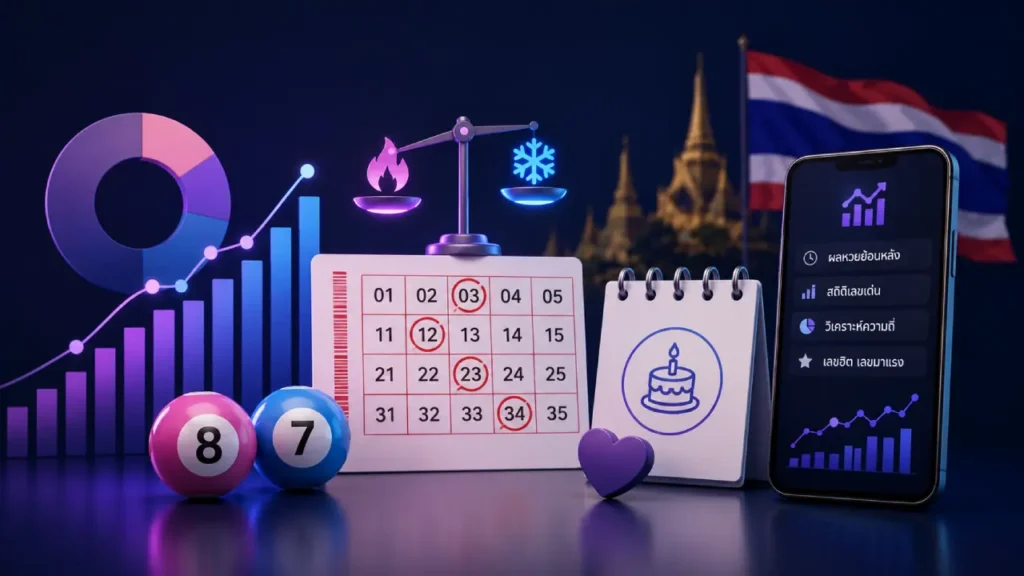
Understanding number trends is one thing. Applying that understanding to your ticket selection is another. There are several practical ways to use frequency data effectively.
First, many experienced players mix hot and cold numbers. Rather than picking only the most frequent numbers or only the rarest ones, they balance their selection to cover different statistical possibilities. This approach spreads the risk and can feel more strategic than picking randomly.
Second, some players match number frequencies to personal dates or events. If your lucky number falls into the frequent category, that adds an emotional boost to your selection. If it is a cold number, some players wait for what they consider the right time to play it.
Third, digital tools have made frequency tracking much easier. Instead of manually calculating trends from old lottery result papers, players can now use a dedicated เว็บหวยออนไลน์ that provides updated statistics, past results, and frequency analysis in one convenient location. This kind of platform saves time and gives you access to broader data than you could compile on your own.
Common Misconceptions About Number Trends
There are several misconceptions worth addressing. The first is the idea that a number which has not appeared for a long time is somehow guaranteed to appear soon. This is known as the gambler fallacy in statistics, and it does not reflect how random draws actually work. Each draw is independent, and past results do not directly influence future ones.
The second misconception is that certain numbers are cursed or blessed based on cultural beliefs. While cultural associations are meaningful and add richness to the lottery experience, they do not change the actual probability of a number being drawn.
The third misconception is that frequency analysis alone can predict outcomes. It cannot. What it can do is inform your choices, help you feel more engaged with the game, and provide entertainment through pattern recognition.
Tips for Tracking Lottery Trends Effectively
For players who want to take a more analytical approach, here are some practical tips for tracking Thai lottery trends over time.
Keep a running record of results from multiple draws so you can spot trends yourself. Even a simple spreadsheet with the date, first prize number, three-digit front, three-digit last, and two-digit last can reveal patterns you might otherwise miss.
Focus on categories that suit your budget and playing style. If you primarily play two-digit last, focus your tracking on that category rather than trying to analyze every prize tier at once.
Compare your findings with published trend reports and community discussions. Thai lottery communities are active and full of players who share their own analysis. Reading multiple perspectives can broaden your understanding of the game.
Do not overinvest in any single analysis method. Balance frequency tracking with other approaches such as personal meaningful numbers, random selection, or systematic ticket variations.
Interpreting Trend Data With Realistic Expectations
The most important thing to remember about number frequency analysis is that it is a tool for engagement and enjoyment rather than a foolproof predictor. Thai lottery draws use physical draw equipment, and the outcomes are as close to random as such systems can be. Any patterns observed over time are the natural product of random variation.
That said, patterns are genuinely fun to explore. They connect you to the broader community of Thai lottery players, give structure to your selection process, and add depth to what would otherwise be a simple guess. When you approach frequency data with realistic expectations, it becomes a rewarding part of the lottery experience rather than a source of frustration.
Final Thoughts on Thai Lottery Number Trends
The world of Thai lottery number trends is rich, layered, and full of intriguing patterns for those who take the time to explore it. From frequent two-digit favorites to seasonal digit tendencies, there is always something new to learn from the data. While no analysis method can guarantee wins, tracking trends adds meaning and interest to every draw.
For anyone serious about their approach to the game, combining traditional wisdom with modern data tools is the way forward. Study the numbers, understand the patterns, respect the randomness, and enjoy the cultural richness that has made the Thai lottery a beloved institution for generations. Above all, play responsibly and treat the lottery as a form of entertainment rather than a financial strategy. That mindset will help you enjoy the experience regardless of the outcome of any individual draw.
0 Comments