Riverboat casinos combine the romance of historic paddle wheelers with the excitement of modern gaming. These floating or water-adjacent casinos operate in several U.S. states along the Mississippi River, its tributaries, and the Gulf Coast, offering slots, table games, and entertainment in a distinctive setting. More than 60 riverboat casinos currently operate across America, each with its own character and attractions.
The concept started as a clever workaround to state gambling laws. States wanted gaming revenue but didn’t want casinos built on land, so they approved floating casinos instead. What began as actual boats that sailed away from docks has evolved into something quite different over the decades.
Today’s riverboat casinos range from authentic vessels that cruise the water to landlocked facilities built over navigable waterways. This guide explores how these unique gambling venues work, where to find the best ones, and what visitors can expect when they step aboard.
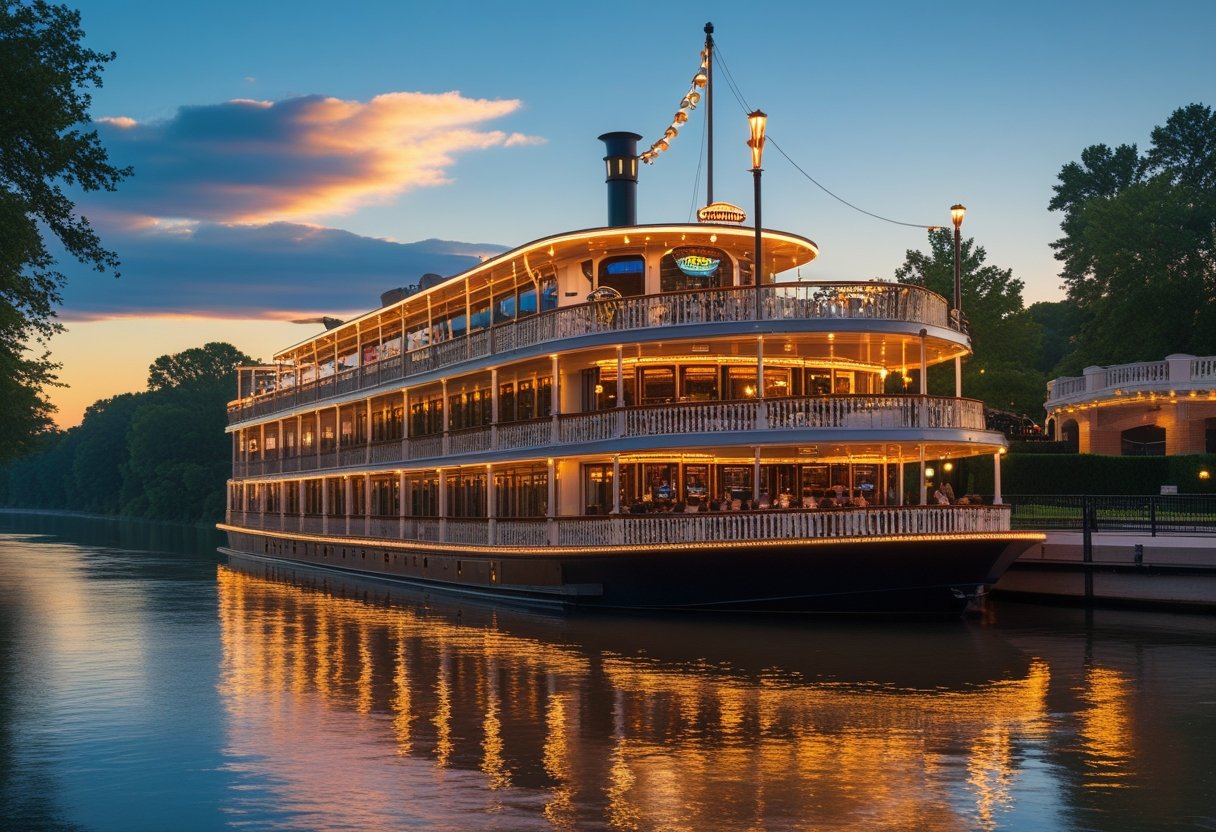
What Are Riverboat Casinos?
Riverboat casinos are gambling establishments built on boats that operate along major waterways in the United States. These venues emerged as a legal workaround in states that prohibited land-based gambling but permitted gaming on waterways.
Definition and Characteristics
A riverboat casino is a type of casino located on a riverboat in states with frontage on the Mississippi River, its tributaries, or along the Gulf Coast. States authorized these casinos to enable gambling while restricting where casinos could operate. The riverboat requirement was largely a legal fiction, as most boats remained permanently docked and rarely sailed.
Several states approved riverboat casinos in the late 20th century, including Illinois, Indiana, Louisiana, Mississippi, and Missouri. When first approved, these casinos had to be on ships capable of sailing away from the dock. Some areas only allowed gambling while the ship was actively sailing.
Over time, regulations changed significantly. By 1998, only three of Missouri’s 16 riverboat gambling operations were clearly on the main river channel. The rest operated in adjacent water areas or moats, earning them the nickname “boats in moats.”
Difference From Land-Based Casinos
Riverboat casinos differ from traditional land-based casinos primarily in their location and legal status. States that prohibited gaming on land used the waterway requirement as a regulatory compromise. The casinos must maintain some connection to navigable water, though this connection has become increasingly loose over the decades.
Modern riverboat casinos often sit on stilts over water or in artificial channels connected to rivers. After Hurricane Katrina destroyed many Gulf Coast riverboat casinos in 2005, several states amended their laws. Mississippi now allows casinos to be built on beachfronts with solid foundations, as long as they remain within certain distances from navigable waterways.
These venues typically offer the same games as land-based casinos, including over 700 slot games and 150 table games at larger operations. Many include casino hotel facilities, restaurants, and entertainment venues on or adjacent to the boat structure.
Paddlewheel Riverboats and Casino Design
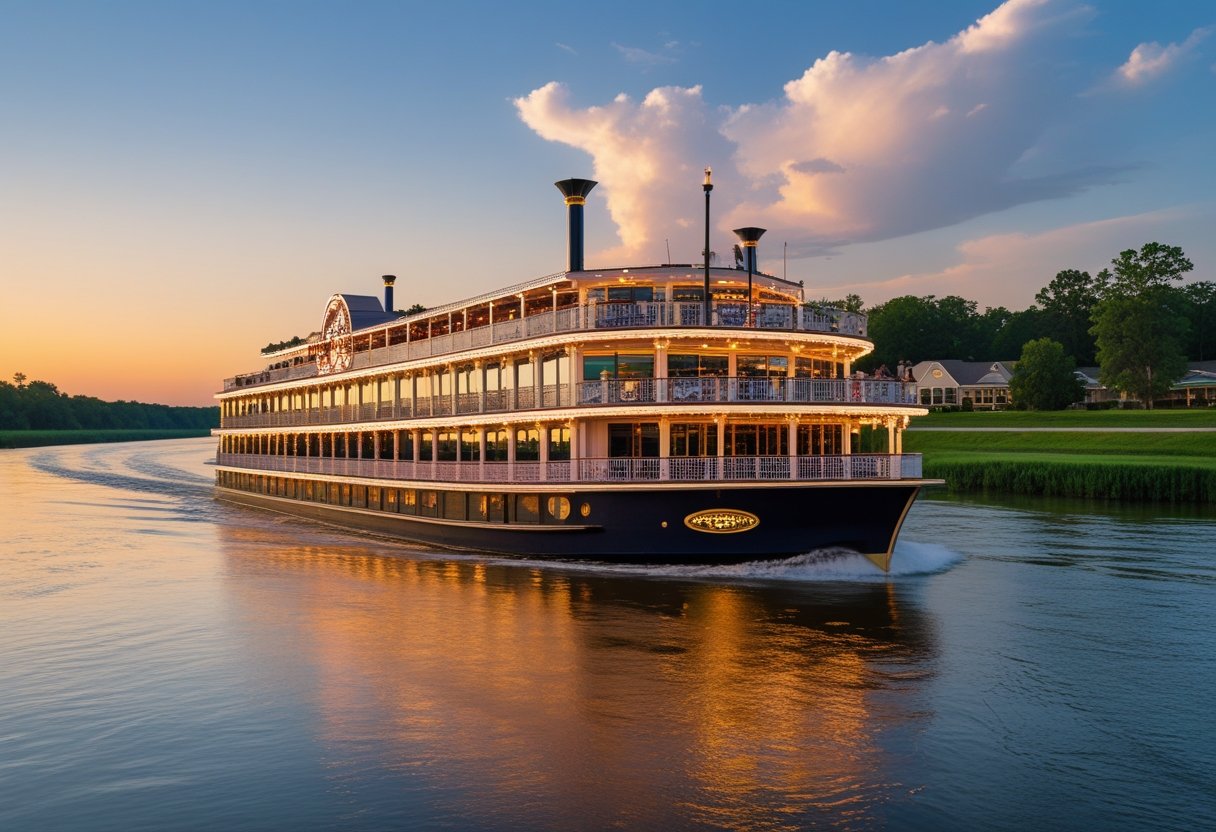
Paddlewheel riverboats have a long history on the Mississippi River and its tributaries for transporting passengers and freight. These distinctive vessels became entertainment destinations in the 20th century after railroads replaced them for transportation. People used them to escape summer heat while enjoying live music, dancing, and gambling.
Modern riverboat casinos often feature designs modeled after these historic paddlewheel riverboats. The aesthetic creates a connection to 19th-century gambling culture and the golden age of river travel. Casino operators incorporate Mississippi riverboat styling even when the vessels never leave their moorings.
The design appeals to visitors seeking an authentic gambling experience tied to American history. Floating casinos maintain this traditional appearance while providing modern gaming facilities and amenities that meet current player expectations.
The History of Riverboat Gambling
Riverboat gambling emerged as a creative solution to restrictive gaming laws in the United States, evolving from 19th-century entertainment vessels to legal casinos operating along major waterways. The industry transformed from boats that required constant movement to permanently docked facilities that retain their riverboat heritage.
Origins on the Mississippi River
Gambling on riverboats dates back to the 1800s when paddlewheel boats transported passengers and freight along the Mississippi River and its tributaries. These vessels became popular spots for card games and dice as travelers spent days moving between destinations. Professional gamblers often worked the boats, making games of chance a regular part of river travel.
When railroads replaced riverboats as the main form of transportation, the vessels shifted to entertainment purposes. The boats offered music, dancing, and social activities during multi-hour excursions. Gambling remained a draw for passengers looking to enjoy themselves on the water.
The modern era of legal riverboat casinos began in the late 20th century. States found a legal loophole that allowed gambling on water even when land-based casinos were banned. This discovery led to the approval of riverboat casinos in several states along the Mississippi River during the 1980s and 1990s.
Legalization and Expansion
Iowa became the first state to legalize riverboat gambling in 1989. Other states quickly followed, including Illinois, Louisiana, Mississippi, and Indiana. Missouri joined in 1994 after voters approved a constitutional amendment allowing games of chance on the Mississippi River and Missouri River.
The Chicago area became a major hub for riverboat casinos through the Mississippi River’s connection via the Chicago Sanitary and Ship Canal. Northwest Indiana opened three casinos in Lake Michigan harbors. Louisiana developed riverboat operations along the Red River and in cities like Baton Rouge, while Illinois added vessels on the Fox River.
Early regulations required casinos to physically sail away from docks during gambling operations. Some states mandated that boats could only offer gambling while moving on the water. This created unique operational challenges for casino owners who had to schedule cruises throughout the day.
Transition From Sailing to Dockside Operations
States gradually relaxed the requirement for boats to sail during gambling operations. Missouri’s supreme court ruled that vessels had to be over and in contact with water surfaces after operators built casinos in artificial moats. Some facilities were constructed on stilts in navigable waters to meet legal requirements while staying stationary.
Today, riverboat casinos in Louisiana and Mississippi no longer need to sail and typically remain permanently docked at riverside locations. The boats function like land-based casinos but maintain their water-based status to comply with state laws. Only six states currently permit riverboat casinos: Iowa, Illinois, Mississippi, Louisiana, Indiana, and Missouri.
The industry has largely moved away from authentic sailing vessels to purpose-built structures that meet legal definitions of boats while offering the amenities of modern casinos.
Riverboat Casino Regulations by State
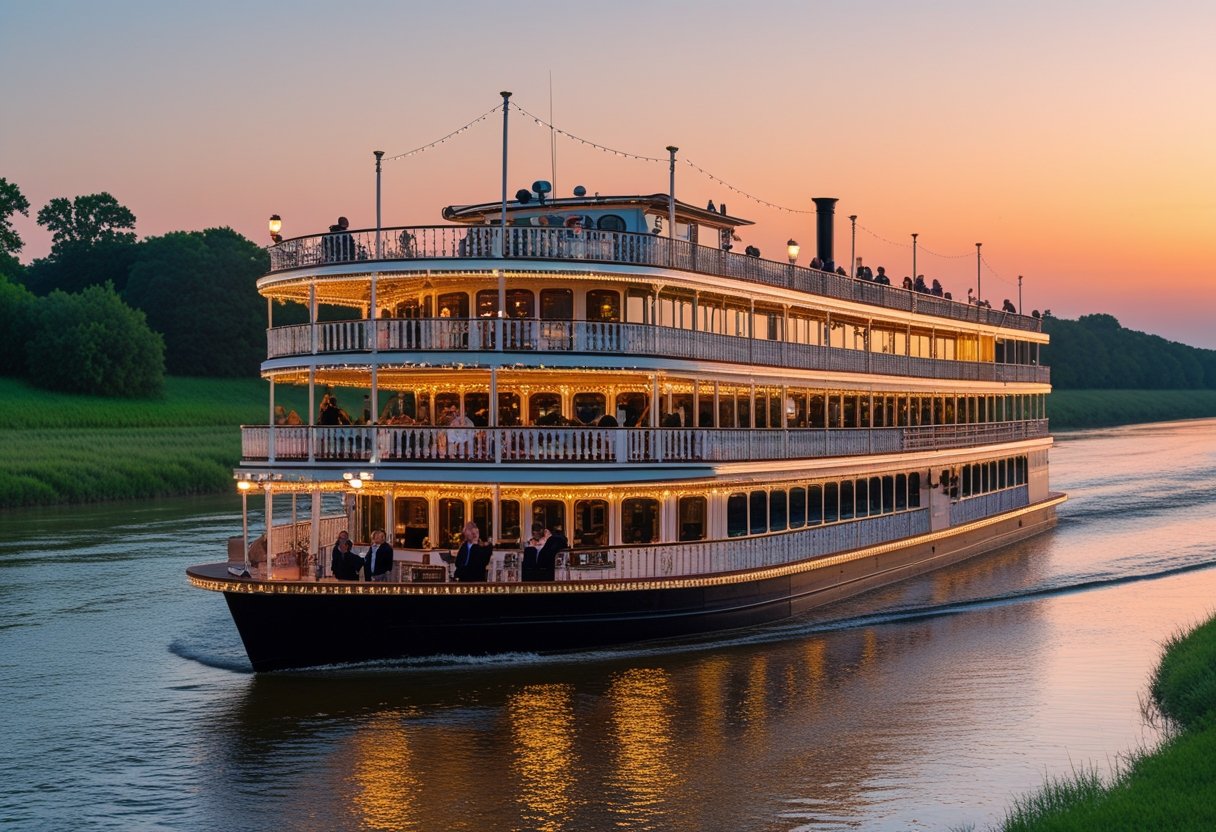
Six states currently permit riverboat casinos, each with distinct regulations governing operations, licensing requirements, and location restrictions. Louisiana and Illinois have established extensive frameworks for riverboat gambling, while Indiana, Iowa, Mississippi, and Missouri maintain their own operational standards.
Louisiana Laws and Locations
Louisiana operates riverboat casinos under strict state oversight that requires comprehensive background checks and financial stability reviews for all operators. The state permits both docked and mobile vessels along the Mississippi River and Gulf Coast waterways.
Ameristar Casino locations demonstrate Louisiana’s approach to riverboat gaming facilities. These establishments must follow regulations covering game types, operating hours, and security protocols. The state mandates age restrictions of 21 years or older for all gaming activities.
Louisiana casinos generate revenue through gaming taxes and revenue-sharing agreements with the state. Operators near Baton Rouge and other major waterways must maintain specific safety standards. The state also enforces rules about which games can be offered, including slot machines, table games, and poker variations.
Illinois Gambling Guidelines
Illinois previously required riverboat casinos to cruise during gaming operations but later amended regulations to allow docked vessels. The state licensing process involves extensive background investigations of casino operators and their financial backing.
Gaming facilities must comply with operational standards that dictate hours of operation and approved game types. Illinois imposes gaming taxes on all casino revenue and requires operators to implement anti-fraud and security measures. The state restricts gambling to individuals 21 years and older.
Riverboat casinos in Illinois operate primarily along the Mississippi River and its tributaries. The state maintains authority over all gaming regulations and can modify requirements for casino operations.
Other Major States With Riverboat Casinos
Indiana passed the Riverboat Casino Act of 1993, initially requiring boats to move during gambling operations. The 1999 amendment allowed stationary operations, expanding casino accessibility throughout the state’s major waterways.
Missouri became the last state to authorize riverboat gambling in 1994. The Missouri River and Mississippi River serve as primary locations for casino operations. The state follows similar regulatory patterns as other riverboat casino jurisdictions.
Mississippi permits riverboat casinos along the Mississippi River and Gulf Coast. Iowa began operations in 1991 and maintains regulations covering licensing, operational standards, and revenue sharing. All three states require thorough operator background checks and enforce strict age restrictions for patrons.
Popular Games and Attractions Onboard
Riverboat casinos offer a complete entertainment experience with hundreds of slot machines, dozens of table games, modern sportsbooks, and quality dining options. Most boats feature classic casino games like blackjack and poker alongside unique variations that attract both beginners and experienced players.
Table Games and Card Offerings
Riverboat casinos typically host 8 to 36 table games depending on the vessel’s size. Players can find standard options like blackjack, roulette, and baccarat at most locations.
The Grand Victoria in Elgin operates 36 tables with a range of traditional games. Casino Queen in Marquette offers eight tables but stands out by featuring fusion blackjack and 21+3, which are games more commonly seen at online casinos.
Poker variations are popular across riverboat casinos. Common offerings include:
- Mississippi Stud
- Three-card poker
- Texas Hold’em
- Let it Ride
Some boats also deal mini-baccarat and Pai Gow for players seeking Asian-style table games. The table game selection at riverboat casinos often matches what guests would find at major land-based properties operated by companies like Caesars Entertainment.
Slot Machines and Electronic Gaming
Slot machines dominate the gaming floor on most riverboats. The Grand Victoria features over 1,000 slots and video poker terminals. Sam’s Town in Shreveport offers a similar count with more than 1,000 machines.
Smaller vessels like Casino Queen operate with fewer machines but still provide variety. The Amelia Belle houses 800 slot games across its four decks.
Video poker terminals sit alongside traditional reel slots and modern digital machines. Players can typically find penny slots up to high-limit machines in dedicated areas. The slot selection rivals what many online casinos offer, but with the atmosphere of a physical gaming floor.
Sportsbooks and Betting Options
Modern riverboat casinos have added sportsbooks to attract sports bettors. The Amelia Belle features a FanDuel Sportsbook with self-service betting kiosks and a large video wall for watching games.
These sportsbooks let guests place bets on professional and college sports. The self-service kiosks make betting quick and easy without waiting for a ticket writer. Large screen displays show live games and updated odds throughout the day.
Dining, Buffets, and Entertainment
Riverboat casinos provide multiple dining options beyond the gaming floor. The Grand Victoria operates four restaurants, including Buckingham’s Steakhouse and Lounge, which receives high ratings from guests.
Sam’s Town in Shreveport goes beyond dining with a hotel, health spa, and live entertainment venue attached to the casino. This creates a resort experience on the water.
Casino Queen in Marquette connects to a 31-acre entertainment complex on shore with various dining choices. Many riverboats offer both casual quick-service options and upscale steakhouse experiences. Some locations feature all-you-can-eat buffets for guests who want variety at a fixed price.
Top Riverboat Casino Destinations
Riverboat casinos along the Mississippi River and Gulf Coast offer distinct gaming experiences that blend historical charm with modern amenities. These destinations range from award-winning bistros and luxury accommodations to classic paddlewheel boats still floating on the water.
Grand Victoria Casino (Elgin, Illinois)
Grand Victoria Casino stands out as one of the most elegant riverboat gaming destinations in Illinois. The casino features over 1,000 slot machines and various table games. An award-winning bistro serves quality food while guests enjoy views of the Fox River.
The property runs unique gaming promotions throughout the year. Players can choose from blackjack, poker, roulette, and other classic table games. The casino maintains its riverboat heritage while providing modern gaming technology.
Grand Victoria Casino is located about 40 miles northwest of Chicago. This makes it accessible for both local residents and tourists visiting the area. The venue combines the nostalgic feel of riverboat gambling with contemporary comfort.
Amelia Belle Casino (Amelia, Louisiana)
Amelia Belle represents one of the finest examples of authentic riverboat casino experiences. Boyd Gaming owns and operates this property, bringing professional casino management to the riverboat setting. The casino is located approximately 80 miles from New Orleans.
The riverboat showcases careful preservation of Mississippi steamboat design from the golden era. This attention to historical detail creates an atmosphere that transports visitors back in time. Players can access hundreds of slot machines and numerous table games.
The casino offers blackjack, craps, roulette, and poker tables. Guests appreciate the combination of authentic riverboat architecture and reliable gaming operations. The Amelia Belle delivers both visual appeal and quality entertainment options.
Casino Queen Marquette (Marquette, Iowa)
Casino Queen Marquette provides a comprehensive gaming experience in a smaller venue. The casino offers table games, card games, slots, and sports betting under one roof. An on-site hotel allows guests to stay overnight.
Dining options are available for visitors who want to enjoy a meal between gaming sessions. The Casino Queen brand operates multiple locations, with this Iowa property serving the upper Mississippi River region. The casino maintains a welcoming atmosphere for both experienced players and newcomers.
Sports betting adds a modern element to the traditional riverboat casino experience. Guests can place wagers on their favorite teams while enjoying other casino amenities. The property balances classic riverboat charm with current gaming trends.
Hollywood Casino (Aurora or Baton Rouge)
Hollywood Casino operates riverboat casino locations in both Aurora, Illinois and Baton Rouge, Louisiana. These properties bring branded entertainment to the riverboat casino format. Both locations feature extensive gaming floors with slots and table games.
The casinos incorporate themes from Hollywood movies and entertainment. This creates a different atmosphere compared to traditional riverboat aesthetics. Gaming options include poker rooms, table games, and electronic gaming machines.
Hollywood Casino locations offer dining venues and entertainment options beyond gambling. The properties host concerts and special events throughout the year. These casinos appeal to visitors who want modern amenities alongside riverboat gaming heritage.
Treasure Chest Casino (Kenner, Louisiana)
Treasure Chest Casino floats on Lake Pontchartrain near the Mississippi River. The property sits just 30 minutes from New Orleans, making it highly accessible for tourists. This riverboat casino maintains its water-based location rather than moving to land.
The casino provides a full range of gaming options including slots, table games, and poker. Its proximity to New Orleans makes it a popular stop for visitors exploring Louisiana. The riverboat design preserves the classic paddlewheel aesthetic.
Treasure Chest Casino offers both gaming and views of Lake Pontchartrain. Guests can enjoy the breeze and scenery while playing their favorite games. The casino combines convenience with authentic riverboat atmosphere.
Sam’s Town Hotel and Gambling Hall (Shreveport, Louisiana)
Sam’s Town offers dual gaming environments with both a classic riverboat and a land-based hotel casino. This setup gives players the best of both worlds. The riverboat portion maintains traditional paddlewheel design and water-based gaming.
The connected hotel-casino expands gaming options significantly. Experienced gamblers find more table games, card games, and betting opportunities in the larger facility. The property hosts gaming contests and tournaments regularly.
Sam’s Town in Shreveport serves as a major gaming destination in northwestern Louisiana. The combination of riverboat and hotel casino attracts visitors seeking variety. Guests can choose between the nostalgic riverboat experience and the expanded land-based casino.
Argosy Casino (Alton, Illinois)
Argosy Casino in Alton, Illinois operates along the Mississippi River in the Metro East region. The casino serves the St. Louis metropolitan area and provides easy access from multiple highways. Gaming options include slot machines and various table games.
The property features restaurants and bars for guests taking breaks from the casino floor. Argosy Casino participates in promotional programs that reward frequent players. The venue maintains a comfortable gaming environment year-round.
Alton’s location on the Mississippi River provides scenic views for casino guests. The property balances riverboat tradition with practical gaming amenities. Argosy Casino attracts both local patrons and visitors exploring the Illinois riverfront.
Travel Tips and Riverboat Casino Experiences
Visiting a riverboat casino requires different planning than a trip to Las Vegas or online casinos. Most riverboat casinos operate along major waterways like the Mississippi River, Red River, and Gulf Coast, with seasonal weather patterns and local amenities that affect the visitor experience.
Planning Your Visit
Riverboat casinos follow different operating schedules than land-based venues. Many boats cruise on set schedules, while others remain docked and operate as stationary gaming facilities. Guests should call ahead to confirm operating hours and any cruise departure times.
Weather plays a bigger role at riverside locations. Summer visits along the Gulf Coast mean high humidity and afternoon thunderstorms. Spring and fall offer milder conditions for enjoying outdoor decks and river views. Winter months can bring cold winds and ice that affect boat operations.
Most riverboat casinos accept walk-in guests, but reservations help during busy weekends and holiday periods. Players should check minimum age requirements, which vary by state from 18 to 21 years old. Dress codes tend to be casual, though some venues request business casual attire for premium dining areas.
Parking at riverboat casinos is typically free and located near the dock. Some locations offer valet service for a small fee.
Riverboat Casino Hotels and Packages
Many riverboat casinos operate adjacent casino hotels or partner with nearby properties. The Grand Victoria in Elgin offers hotel packages that include gaming credits and dining vouchers. Sam’s Town in Shreveport features an on-site hotel with health spa access for overnight guests.
Smaller venues like Casino Queen in Marquette provide hotel accommodations within walking distance of the boat. These packages often cost less than comparable stays in Las Vegas while including similar amenities.
Weekend packages frequently bundle hotel rooms with entertainment tickets and meal credits. Midweek rates drop by 30-50% compared to Friday and Saturday nights. Players clubs at most riverboat casinos offer free or discounted rooms based on gaming activity.
Some Gulf Coast locations offer multi-day packages that combine casino visits with river tours and local attractions.
Nearby Attractions and Local Highlights
Riverboat casino destinations provide access to regional attractions beyond gaming. Elgin’s location near Chicago allows visitors to explore the city’s museums and restaurants between casino sessions. The Fox River area offers hiking trails and historic sites.
Louisiana riverboat casinos sit near cultural landmarks and regional cuisine. Shreveport visitors can tour the Red River district’s music venues and Southern restaurants. The Amelia Belle area provides access to bayou tours and Cajun cooking experiences.
Iowa’s riverside casino towns feature antique shops, local breweries, and river walk paths. Marquette offers views of the Mississippi River bluffs and nearby state parks. Most locations provide information desks with maps and attraction recommendations.
Frequently Asked Questions
Riverboat casinos operate in six states across America, with 63 venues currently in business as of 2018. These gambling establishments follow specific state regulations and offer various gaming options for visitors.
How do I find the closest riverboat casino to my location?
The best way to find a nearby riverboat casino is to check if you live near states that permit riverboat gambling. These states include Iowa, Mississippi, Illinois, Indiana, Louisiana, and Missouri.
Most riverboat casinos are located along the Mississippi River and its tributaries, as well as the Gulf Coast. Online searches for “riverboat casinos near me” will show options in your area. Many casino websites include maps and directions to help visitors plan their trips.
What are some of the top-rated riverboat casinos in the United States?
Casino Queen Marquette in Iowa offers 17,514 square feet of gaming space with over 566 slot machines. The venue features table games like blackjack and Texas Hold’em.
Treasure Chest Casino sits on Lake Pontchartrain in New Orleans, Louisiana. It provides 24,000 square feet of gaming space with slots, table games, and an event showroom.
Ameristar Casino in Vicksburg, Mississippi maintains the traditional paddle riverboat design. The casino includes over 1,400 slot machines, table games, a poker room, and sports betting kiosks.
Which states allow gambling on riverboat casinos?
Six states currently allow riverboat casino gambling. Iowa became the first state to legalize this form of gambling in 1989.
The other five states are Mississippi, Illinois, Indiana, Louisiana, and Missouri. Each state has its own gambling regulations and tax requirements for riverboat operations.
Can you provide a list of riverboat casinos currently operating in Illinois?
Illinois hosts multiple riverboat casinos that generate significant tax revenue for the state. In 2018, Illinois riverboat casinos contributed $382.5 million in state tax revenue.
The state requires a 15% tax on winnings, with an additional 5% going to local communities. Specific casino names and locations can be found through the Illinois Gaming Board website.
What are the gambling laws pertaining to riverboat casinos in Indiana?
Indiana required riverboat casinos to meet specific design standards when gambling was first legalized. Vessels had to be at least 150 feet long and accommodate a minimum of 500 passengers.
Modern regulations have changed since the initial requirements. Most riverboat casinos in Indiana now stay docked to prevent weather-related damage and accidents.
Are there any river cruise options that include casino gaming activities?
Some river cruises do include casino gaming as part of their onboard activities. However, casino availability varies depending on the cruise line and route.
Traditional riverboat casinos differ from river cruise casinos in their primary purpose. Riverboat casinos focus on gambling as the main attraction, while river cruises emphasize travel and sightseeing with gaming as an optional amenity.

0 Comments